
Protecting the Indian River Lagoon, One Connection at a Time
Indian River County is converting homes from aging septic systems to modern centralized sewer — improving water quality, protecting public health, and safeguarding one of Florida's most important natural resources.
Current Projects
Explore the septic-to-sewer projects currently underway across Indian River County. Click on a project to learn more about timelines, resources, and updates.
19 homes near the Indian River Lagoon converting from septic to centralized sewer. Community meeting held on March 31, 2026.
Status: Accepting construction bids through contractor award
168 homes near the Indian River Lagoon converting from septic to centralized sewer. Community meeting held on June 17, 2026.
Status: Engineering and design underway
Septic-to-sewer conversion with utility improvements. Progressive design-build delivery method.
Status: Soliciting qualifications for an engineering firm or design-build team
Approximately 53 homes converting to centralized sewer. 75% funded through FDEP grant. Progressive design-build delivery.
Status: Field Investigation and Design Underway
Sewer connections for properties in the North, Central, and South Utility Service regions where centralized sewer service is already available, with FDEP grant-funded financial assistance of up to $15,000 per property for eligible residents.
Status: Introducing the program, funding options, and connection requirements ahead of the application portal opening
Project Phase Guide
Procurement Phase
Planning, funding & contract award
Design Phase
Engineering & design underway
Permitting Phase
Regulatory approvals in progress
Bid Phase
Accepting contractor bids
Construction Phase
Active construction underway
Closeout Phase
Final inspections & wrap-up
Complete Phase
Project complete
Project Locations
Use the interactive map above to explore project locations. Keyboard users can press Tab to enter the map.
What Is the Septic-to-Sewer Program?
Indian River County's Septic-to-Sewer Program is replacing older residential septic systems with connections to the county's centralized sewer system. Septic systems in areas near the Indian River Lagoon can contribute excess nutrients — particularly nitrogen and phosphorus — to local waterways, which harms water quality and aquatic ecosystems.
By connecting homes to centralized sewer, the county can significantly reduce nutrient pollution reaching the lagoon while also providing homeowners with a reliable, modern utility connection that eliminates the need for individual septic system maintenance. The program currently includes four active projects across the county, each serving a different neighborhood.
How Does This Help The Indian River Lagoon?
Many homes in Indian River County were built with individual septic systems before centralized sewer was available in their area. While these systems were adequate at the time, they contribute nutrients to the groundwater that eventually reaches the Indian River Lagoon.
The Indian River Lagoon is one of the most biologically diverse estuaries in North America, stretching 156 miles along Florida's east coast. Excess nitrogen and phosphorus from septic systems, stormwater, and other sources have degraded water quality in the lagoon over the past several decades. Converting homes from septic to sewer is one of the most effective ways to reduce nutrient loading and support the lagoon's recovery.
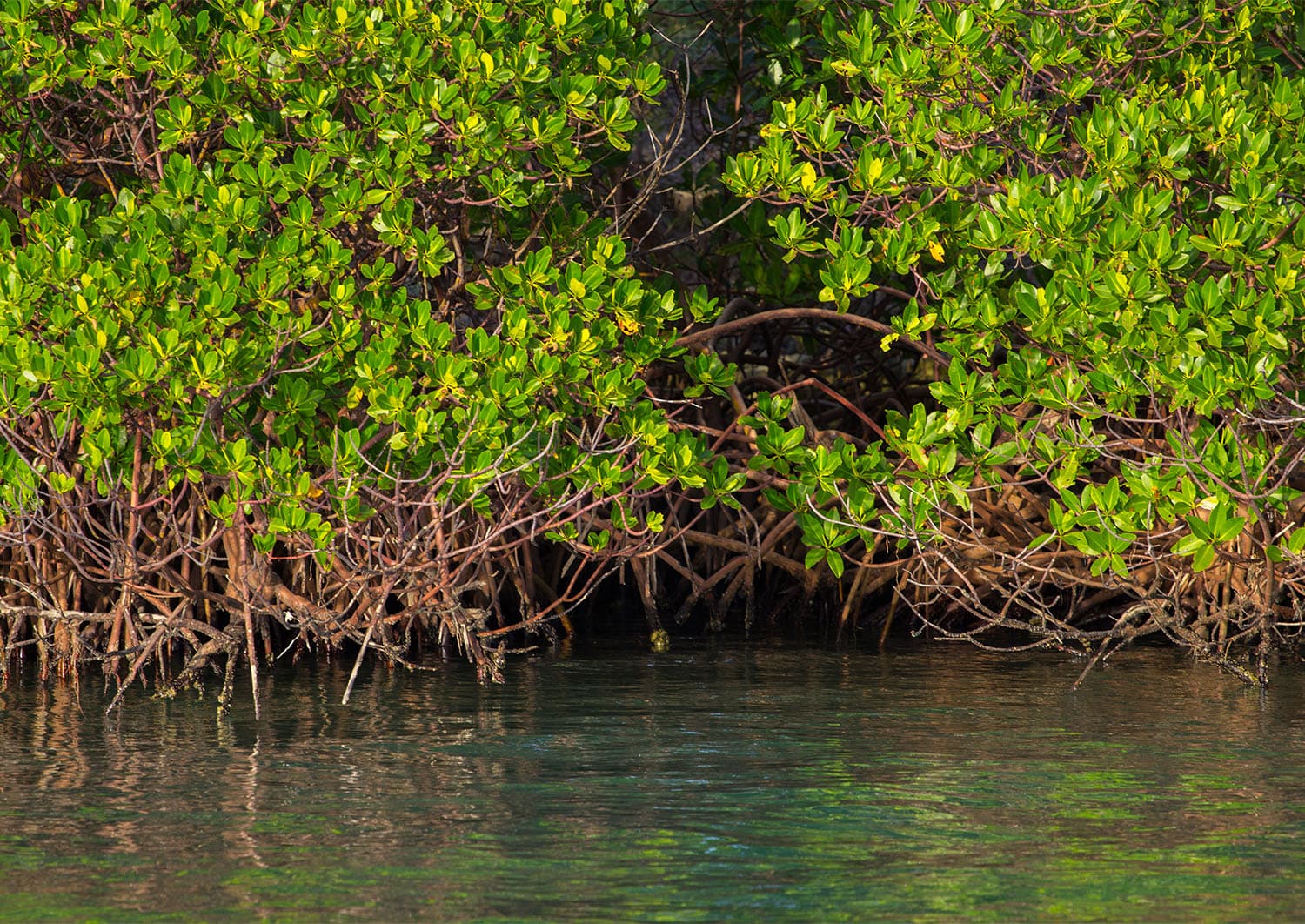
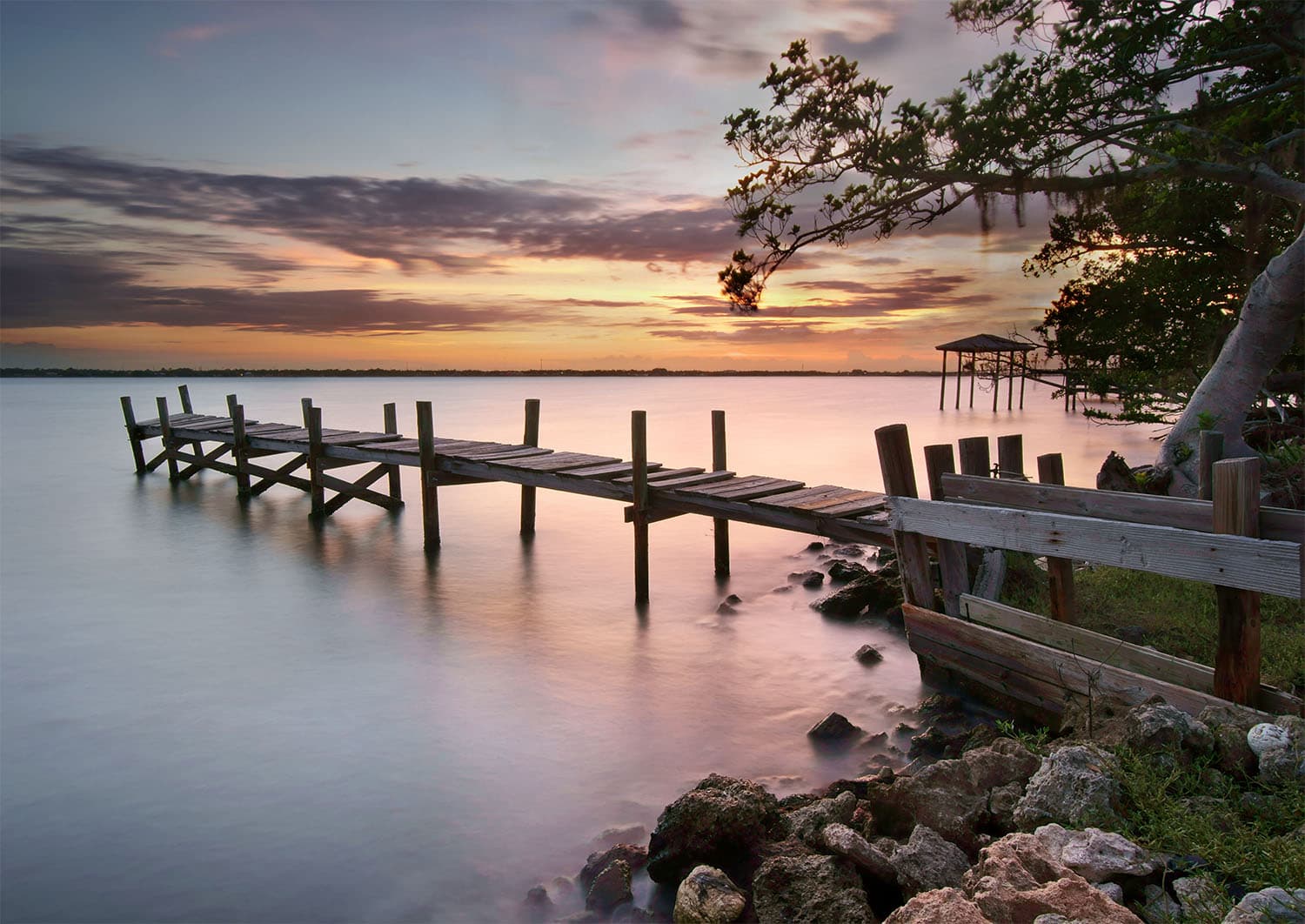
Indian River County has prioritized neighborhoods where the environmental benefit is greatest — areas closest to the lagoon and its tributaries, where septic systems have the most direct impact on water quality. To learn more, please enjoy our short informational video.
Read full transcript
Full transcript of How Septic-to-Sewer Protects Our Water.
Time: 0:07 – 0:33
For decades, septic tank systems have been collecting, treating, and disposing wastewater. When residents flush the toilet, take a shower, or brush their teeth, wastewater flows into the septic tank and the drain field then percolates into the soil where it is absorbed. Indian River County has sandy soils and seasonal rainfall that causes the groundwater tables to rise.
Time: 0:34 – 1:11
This may result in nitrogen, phosphorus, and bacteria migrating from the septic systems into water bodies, which can negatively impact water quality and the ecosystem. Septic system failures can result in sewage backups and limit recreational activities like fishing, swimming, and boating. When residents convert from septic systems to a wastewater collection system, wastewater is safely treated, which enhances the environmental stewardship, resiliency, and sustainability of water resources.
Time: 1:22 – 1:26
Indian River County, working together to protect our natural resources.
Benefits of Connecting to Centralized Sewer
Converting from septic to sewer provides significant advantages for the environment, homeowners, and public health.
Environmental Protection
- Reduces nitrogen and phosphorus entering the Indian River Lagoon and local waterways
- Eliminates the risk of septic system failures contaminating groundwater and surface water
- Supports long-term water quality goals for the Indian River Lagoon ecosystem
Homeowner Benefits
- Eliminates the risk of costly septic system repairs or replacements
- Connection to a reliable, professionally maintained county sewer system
- May increase property value
Public Health
- Reduces potential exposure to raw sewage
- Protects drinking water sources by reducing groundwater contamination
Frequently Asked Questions
Get answers to common questions about the Septic-to-Sewer Program.